Reward Points Programs That Convert to Cash Easily
Expert guide to reward points programs. Practical tips, comparisons, and strategies to save money with reward points programs. Updated for smart shoppers.
Anúncios
What Makes Reward Points Programs Worth Your Attention
Finding reliable reward points programs requires knowing where to look and which sources deliver verified savings. The landscape of digital discounts changes constantly as retailers update their promotional strategies and new platforms emerge to connect shoppers with legitimate offers. Understanding the fundamentals helps you separate genuine savings opportunities from time-wasting dead ends.
The average household can save several hundred dollars annually through strategic use of reward points programs. The key is building a systematic approach rather than spending hours hunting for individual deals. A focused fifteen-minute weekly routine captures the majority of available savings without consuming your free time.
How Do Reward Points Programs Compare to Traditional Savings Methods
Traditional coupon clipping from newspaper inserts reached peak effectiveness decades ago when fewer alternatives existed. Modern reward points programs leverage technology to deliver personalized offers based on your shopping habits, location, and purchase history. Digital platforms update in real time while paper coupons represent a static snapshot of promotions available at print time.
The convenience factor alone justifies switching to digital reward points programs for most shoppers. Carrying a phone replaces carrying an envelope of clipped coupons. Digital offers activate with a tap rather than requiring physical presentation at checkout. The time savings from digital management compound across every shopping trip throughout the year.
Which Platforms Deliver the Best Reward Points Programs Results
- Major retailer apps — store-specific reward points programs with loyalty program integration
- Aggregator websites — cross-store reward points programs comparison from verified sources
- Browser extensions — automatic reward points programs testing during online checkout
- Receipt scanning apps — post-purchase reward points programs cashback on qualifying items
- Social media channels — exclusive reward points programs shared directly by brands
- Email newsletters — subscriber-only reward points programs with early access to promotions
What Common Mistakes Reduce Your Reward Points Programs Savings
The biggest mistake is buying products solely because a coupon exists for them. Spending three dollars on an unnecessary item with a fifty-cent coupon wastes two dollars and fifty cents. Effective reward points programs usage applies discounts exclusively to products your household already consumes regularly, treating the coupon as a bonus rather than a purchase trigger.
Failing to check expiration dates before shopping trips leads to embarrassing checkout rejections and wasted time. Digital reward points programs expire silently in apps without notification. Setting a weekly reminder to review and clear expired offers maintains a clean, actionable collection of currently valid savings opportunities.
How Much Time Should You Invest in Managing Reward Points Programs
The optimal time investment for managing reward points programs falls between ten and twenty minutes weekly. This covers browsing new offers, activating relevant deals, and organizing your savings strategy for the upcoming shopping trip. Spending more time produces diminishing returns as the effort required to find additional savings increases exponentially.
Automation tools dramatically reduce active management time. Browser extensions test reward points programs codes without manual entry. Loyalty card linking applies digital offers automatically at checkout. Receipt scanning apps process cashback with a single photo. Leveraging these automated tools lets you capture eighty percent of available savings with twenty percent of the effort.
Can You Stack Reward Points Programs With Other Discount Programs
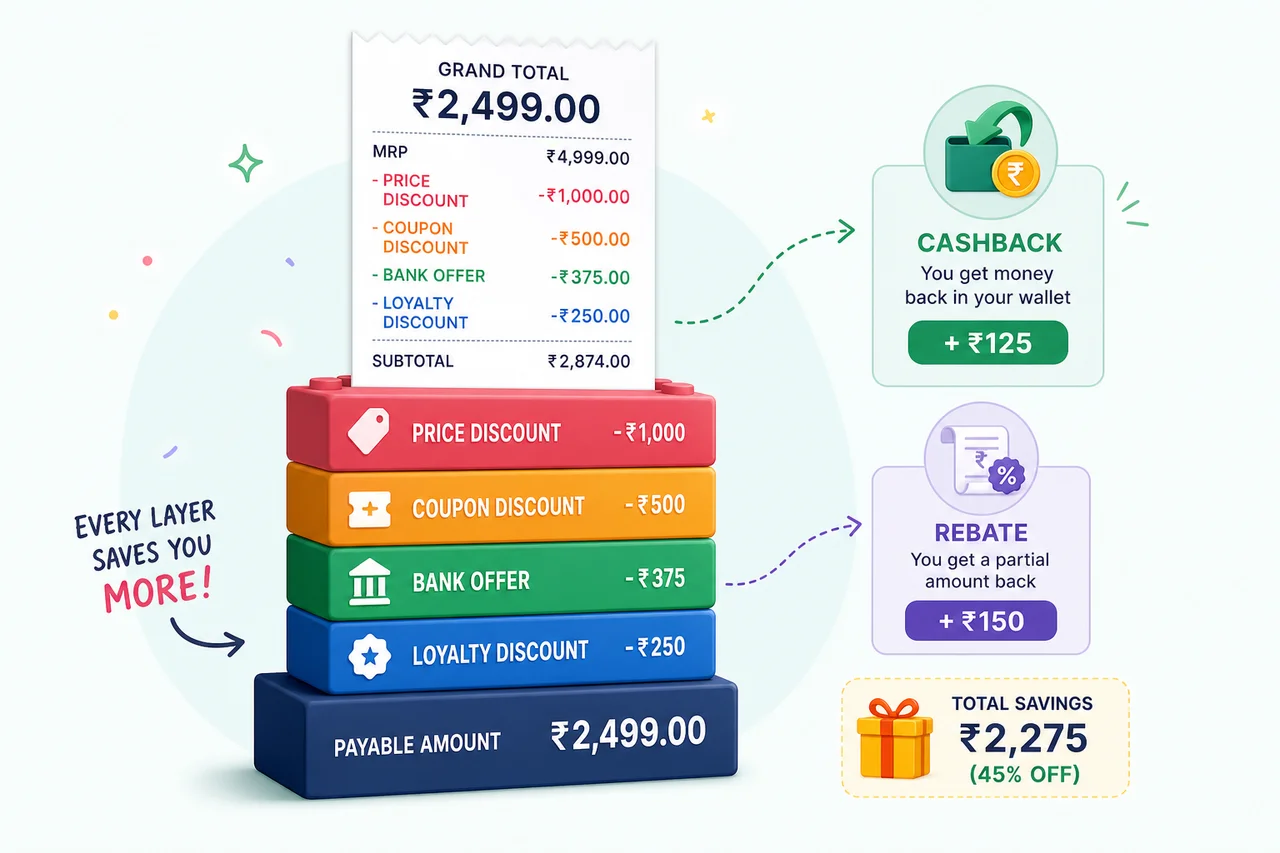
Stacking reward points programs with retailer loyalty programs, cashback apps, and rewards credit cards creates multiple savings layers on the same purchase. Each discount draws from a different funding source, making simultaneous use both permitted and financially optimal. The combined effect routinely produces total savings of twenty to forty percent on individual items.
The stacking order matters for maximizing total savings. Apply reward points programs and store discounts at checkout first to reduce the purchase total. Then scan your receipt through cashback apps for manufacturer-funded rebates. Finally, the cashback percentage from your credit card applies to the reduced total. Each layer compounds on the savings from previous layers.
What Seasonal Patterns Affect Reward Points Programs Availability
Promotional reward points programs activity peaks during back-to-school season in August, holiday shopping from November through December, and New Year resolution campaigns in January. Manufacturers increase coupon distribution during these high-spending periods to capture market share when consumers are most actively purchasing. Timing your stockpiling efforts around these peaks maximizes per-item savings.
Summer months between Memorial Day and Labor Day typically see reduced reward points programs availability as consumer spending patterns shift toward travel and entertainment. However, grocery reward points programs maintain steady availability year-round since food purchasing remains consistent. Adjusting your expectations by season prevents frustration during naturally lower-activity promotional periods.
How Do You Verify That Reward Points Programs Are Legitimate
Legitimate reward points programs come directly from retailer websites, brand partnerships, and established coupon platforms with verified databases. Suspicious offers requiring personal information beyond an email address, demanding app downloads from unknown sources, or promising unrealistically large discounts typically indicate scam operations designed to harvest data.
Cross-referencing any unusual reward points programs offer against the retailer's official promotions page confirms legitimacy. If the retailer's own site does not reference the promotion, the external offer is likely fraudulent. Sticking to well-known platforms with transparent verification processes eliminates exposure to fraudulent discount schemes entirely.
What Technology Tools Optimize Reward Points Programs Management
Smartphone apps designed for reward points programs management consolidate offers from multiple sources into a single browsable interface. These apps match available savings to your shopping list, highlight stacking opportunities, and track expiration dates automatically. The technology eliminates the organizational overhead that historically made couponing feel like a part-time job.
Browser-based tools complement mobile apps by capturing online shopping savings automatically. Extensions test promotional codes during checkout without manual intervention. Price comparison overlays show whether a competing retailer offers the same product cheaper. Together, mobile apps and browser tools create a comprehensive savings capture system.
How Should Beginners Start Using Reward Points Programs Effectively
- Download your primary grocery store's app and activate available digital reward points programs
- Install a browser coupon extension like Honey or Capital One Shopping for online purchases
- Sign up for Ibotta or Fetch Rewards for post-purchase receipt scanning cashback
- Browse the weekly store circular and match sale items with available reward points programs
- Create a simple shopping list prioritizing items with stacked savings opportunities
- Track your monthly savings to stay motivated and refine your approach over time